
Next Episode of Command Decisions: Presidents on the Brink is
unknown.
In this original series, Goodwin doesn't simply revisit the past—she transports viewers into the very heart of America's most consequential presidential decisions. Command Decisions: Presidents on the Brink dramatizes the moment when leadership is tested and the course of history hangs in the balance. Each 8 to 10-minute episode immerses viewers alongside a U.S. president grappling with uncertainty, moral dilemmas, and the crushing weight of national responsibility. "These are not just stories from our past—they are timeless studies in courage, character, and conviction," said Goodwin. "By understanding how past presidents made decisions under extreme pressure, we gain insight into the qualities that define effective leadership—empathy, humility, teamwork, and perseverance. History reminds us that leadership is about growing through adversity, making tough choices, and learning from mistakes." From the Oval Office to the battlefield, the series explores how qualities like judgment, resilience, and emotional intelligence shaped the trajectory of a nation. It's not just about what happened—it's about the human capacity to think clearly and act boldly when the stakes are highest.
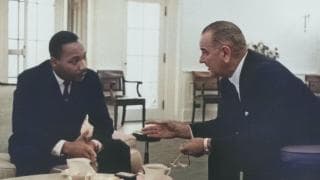
In the face of fierce resistance from his own party and the segregated South, President Lyndon B. Johnson takes a stand for equality by signing the Civil Rights Act of 1964. This landmark decision outlawed segregation and employment discrimination, redefining America's moral landscape and cementing LBJ's legacy as a leader of courage and conscience.
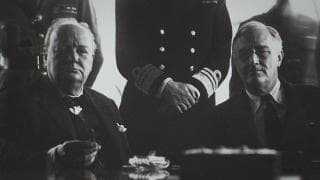
As the world teeters on the brink of chaos, Franklin D. Roosevelt and Winston Churchill meet in secret to shape a shared vision for peace. Despite American neutrality and strong isolationist pressure, FDR backs the Atlantic Charter—an act of bold leadership that paved the way for Allied unity, the postwar world order, and U.S. global leadership.
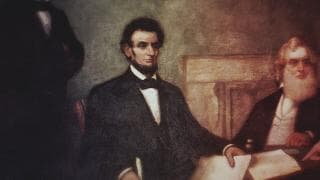
Following the Union's narrow victory at Antietam, President Abraham Lincoln risks everything by issuing the Preliminary Emancipation Proclamation. In a moment of profound moral clarity, Lincoln reframes the Civil War as a fight for human freedom—challenging political allies, national unity, and his own presidency in the process.
Looks like something went completely wrong!
But don't worry - it can happen to the best of us,
- and it just happened to you.
Please try again later or contact us.