

Next Episode of Core Kyoto is
unknown.
The ancient capital, Kyoto, continues to be innovative after 1,200 years. We dive deep into its core in this definitive program.
Kyoto has about 13,000 alleys with a total distance of 940km, and an increasing number of their houses are unoccupied. People are working on projects and tours to preserve and revitalize these areas.
This iconic Kyoto destination, popular for a millennium, has the perfect climate and topography for fall foliage. Some people create new ways to enjoy autumn, while others uphold fall traditions.
Several annual rituals performed at Shinto shrines involve bows and arrows that are believed to hold divine power and dispel evil. These weapons also hone the spirit through the practice of archery.
Shamisen tones, filled with emotion, harmonize with the culture of traditional entertainment districts. The dwindling number of musicians has aroused the effort to keep the instrument and music alive.
Raden, a decorative lacquerware technique, uses the glimmering inner layer of shells. The inlay appears to float resplendently on the black lacquer, inspiring artisans to take the art into the future.
The city's around 150 shopping areas manifest the diversity of the local culture. Some are reinventing themselves to, once again, become the focus of the community as well as handle overtourism.
The dark-grey, clay roofing on shrines, temples, and Machiya townhouses is buffed and smoked to boost durability, water resistance, and luster. Craftsmen and roofers uphold the traditional techniques.
Matsunoo Taisha is the guardian Shinto shrine to Kyoto's west. In April and May, the deities are carried through the community in prayer for local prosperity, upholding a 1000-year-old tradition.
Women born or married into heritage businesses keep generations of wisdom alive in novel ways. Kyoto's time-honored image and brand would not be what it is without their exemplary conduct and kindness.
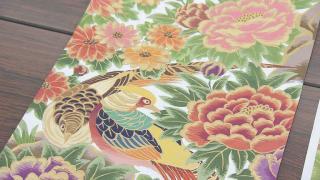
Traditional Kyoto-style bags are made from Nishijin brocade, Yuzen-dyed fabric, and other locally made premium textiles. Artisans also continue to create practical and durable bags from sailcloth.
Iron kettles rust and corrode over time. For centuries metal casters specializing in kettles have cast diverse kettles for tea gatherings, creating a universe of infinite beauty within that corrosion.
Lanterns still bring charm to traditional settings at night. Kyoto artisans uphold their skills despite decreasing demand, producing lanterns for use across Japan, while embracing new initiatives.
New footwear styles are gaining traction in Kyoto, home of the kimono. Age-old techniques are used to create geta sandals for healthy feet and leather shoes that suit Japanese and Western attire.
Kyoto has a rich fermentation tradition, from soy sauce to sake. Recently, natto has been gaining global attention as a superfood, with new efforts underway to boost its appeal and appreciation.
Kyoto artisans feel a sense of crisis about the future of their distinctive crafts. To keep traditional skills alive, they are adding chic accessories to their product lines to create new demand.
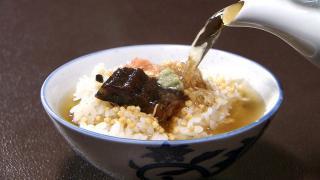
Fresh fish was a luxury for people in landlocked Kyoto, so they incorporated dishes made from ground fish into their cuisine with Kyoto flair, allowing everyone to savor the rich essence of seafood.
Ancient nobles admired the full moon in autumn with elegant parties. Those pastimes evolved into local temple and shrine festivals now held to celebrate nature's bounty and pray for next year's crops.
Kyoto is a trove of historical and cultural assets. Architecture and artworks are being restored daily. The custom and wisdom of cherishing everyday objects too is an ingrained part of Kyoto culture.
Many foreigners make Kyoto their home and bring innovation to traditional culture. Their creativity and global perspective spark revitalization and inspiration as they breathe new life into the city.
Looks like something went completely wrong!
But don't worry - it can happen to the best of us,
- and it just happened to you.
Please try again later or contact us.