

Next Episode of Rogue History is
unknown.
It's been said that history is written by those in power. But what about the outlaws, outcasts and rogues? What if they had their say? Rogue History shakes the dust off the history books to unravel myths, unearth narratives, and discover fresh perspectives.
Stories of pirates are hugely popular but what do we really know about the history of piracy? Let's explore common assumptions about pirates and figure out which ones are true and which are myths.
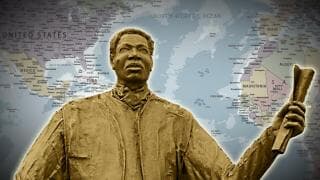
You may have heard of the larger-than-life "Black Caesar" who plundered alongside Blackbeard. But as it turns out, there were dozens of pirates of African descent referred to as "Black Caesar." In this episode of Rogue History, we will unearth the stories of some lesser-known Black Caesars and examine how certain forces shape the stories we remember today.
Why is the woman pirate Zheng Yi Sao not as well known as the male pirate Blackbeard? Zheng Yi Sao had a fleet of 1,200 ships at the height of her powers whereas Blackbeard had just four or five. Join us as we explore the incredible and unsung stories of history's most notorious women pirates.
Songs like "A Pirate's Life for Me" and "Dead Man's Chest" are as prevalent in pirate lore as eye patches or treasure maps. These tunes, however, were written more than a hundred years after the golden age of piracy. Join us as we trace the roots of TikTok's viral sea shanties and examine the types of music pirates likely heard on the open seas.
Imagine being at sea for weeks on end. The supply of food and water is running out. No major port will let you in to restock. For pirates, finding food was often more important than finding buried treasure. In this episode of Rogue History, we bite into the creative ways pirates sustained themselves. Max Miller from Tasting History joins us to demonstrate one bizarre buccaneer recipe.
Did you know that the United States' first foreign war was with pirates? After the U.S. declared independence, Barbary pirates began capturing Americans in the Mediterranean and holding them for ransom. At one point, Congress agreed to pay them a huge portion of its federal budget. Join us as we uncover the truth behind the pirates that nearly snuffed out the U.S. economy.
For 200 years, Japanese waters were ruled by self-proclaimed Sea Lords. They held immense political power and even helped integrate Japan into the early global economy. Despite this, medieval Japanese society labeled them "kaizoku," or "pirates." In this episode of Rogue History, we dive into the origins of Japan's Sea Lords and explain how one family solidified their legacy.
From movies like "The Goonies" to TV shows like "PAW Patrol," we're obsessed with the idea of finding a pirate's lost treasure. Did pirates actually hide their treasure? And what makes something a treasure anyway? Maritime archaeologist Joel Cook unearths the unsettling truth behind treasure hunters and explains their complicated role in modern archaeology.
Looks like something went completely wrong!
But don't worry - it can happen to the best of us,
- and it just happened to you.
Please try again later or contact us.